


Precious Metal Recovery
The gradual decline of high-grade ore, the decline in raw ore grade, severe environmental pollution, and the imbalance of supply and demand due to excessive and illegal extraction of precious metals and mineral resources have led to the development of various methods for recovering various metals and elements from secondary sources. Recycling secondary sources such as copper and lead anode sludge, automobile exhaust purifiers, circuit boards, and other metallurgical wastes compensates for the shortage of raw materials for the production of these metals and elements. However, among these sources, anode sludge of some metals such as lead and copper has been reported as a vital secondary source for the extraction of base and precious metals.
In the conventional method of extracting copper from ore and its secondary sources, in the electrorefining stage, only copper and electropositive metal impurities such as iron, zinc, and lead are deposited on the anode as dissolved ions. In the above step, impurities such as gold, silver, selenium and tellurium, known as anode sludge, remain intact and fall to the bottom as the anode gradually corrodes. Although small amounts of these metals are present in the sludge, the extraction process is beneficial due to its high value. In this article, we will examine the recovery of various metals and elements from anode sludge.
What is anode sludge?
Anode sludge is a by-product of the electrorefining process of metals such as copper and lead and consists of impurities of various metals that accumulate at the bottom of the purification cells. Anode sludge is recovered from the purification cells, then dried and used to extract metals. Anodic sludge is processed by various methods, which vary depending on the type of metals present and their purification capacity. The two main methods for this include pyrometallurgy and hydrometallurgy, which we will discuss below.
Copper and Lead Anode Sludge
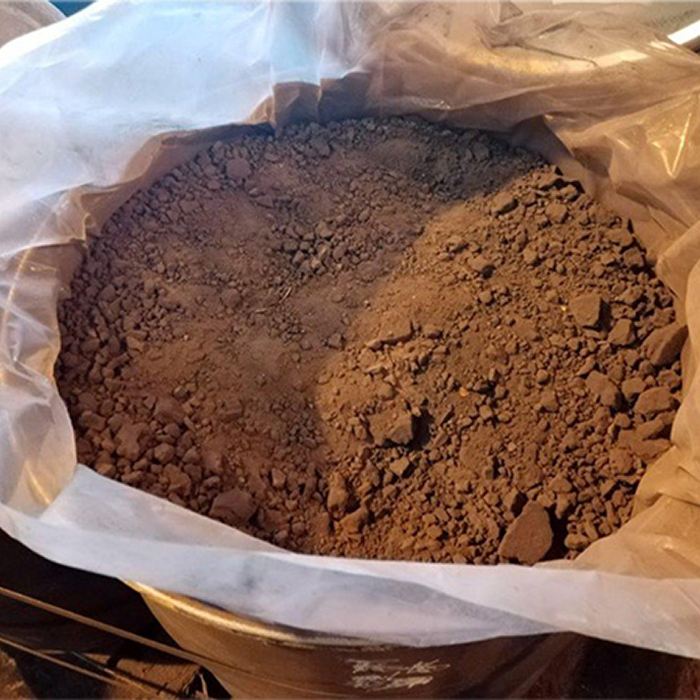
During the electrorefining of copper, some precious metals accumulate in the by-product anode sludge, which is an important source for the recovery and recovery of these metals. Anode sludge is a by-product of the copper or lead electrorefining process. Copper and lead anode sludge usually contains As, Sb, Bi and precious metals such as gold and silver. During the electrolysis process, pure copper is deposited on the cathode plates and dissolved impurities fall to the bottom of the cell as anode sludge. Precious metals (Ag, Pt, Pd) can be extracted from the anode sludge produced by the electrorefining process. Copper concentrate can also contain precious metals such as gold and silver. Copper anode sludge is a black or gray powder with a particle size of less than 200 mesh. Approximately 2 to 20 kg of anode sludge is produced per ton of copper cathode. This sludge contains some Ag, Se, Pb and Cu and very little gold.
Precious metals with a potential more positive than lead in electrolytic refining do not dissolve in the electrolyte due to the difference in standard electrode potential. The above metals adhere to the anode surface or precipitate at the bottom of the electrolytic cell and away from the anode sludge. Therefore, lead anode sludge is a by-product for metal extraction in lead refining systems. In the electrolytic refining process of raw lead, the sludge produced per ton of raw lead is approximately 0.02 tons. Recycling and utilization of lead anode sludge can increase the sustainable, rapid and environmentally friendly contribution to the global economy. It is widely accepted that anode sludge is complex in terms of elements and compositions, but it has high value and is a good option for metal recovery.
Processes for Extracting Precious Metals from Anodic Sludge
Copper anode sludge, a by-product of the copper electrorefining process, is a valuable secondary resource containing valuable elements such as Cu, Se, Sb, Ag, Au and precious metals. Based on the composition and different minerals in anode sludge, there are several approaches to their use. But in general, to recover metals and various elements from anode sludge, these two steps must be followed: first, separation and recycling of non-ferrous metals and then recovery of precious metals. The leaching process is mainly used to recover precious metals from secondary sludge using various leaching agents such as sulfuric acid, nitric acid. As explained in the previous paragraphs, there are two main methods for recovering metals from anode sludge. These methods are briefly mentioned below.