Our business

Our Business

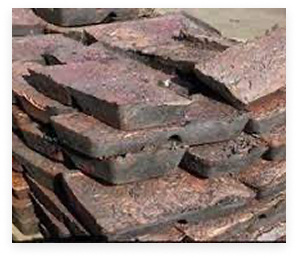
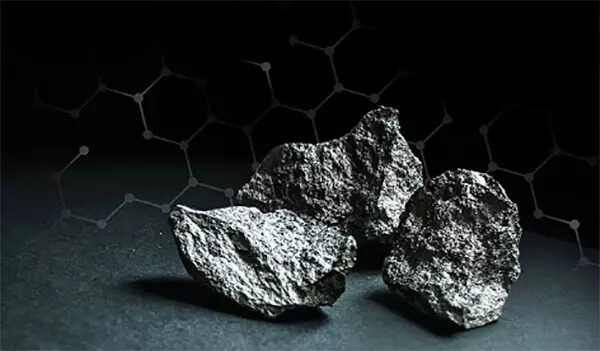
molten ingot

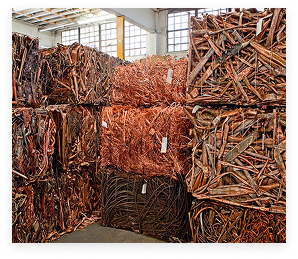
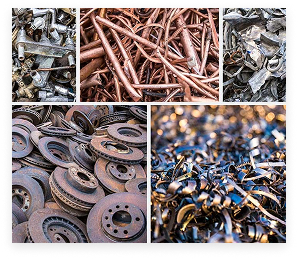
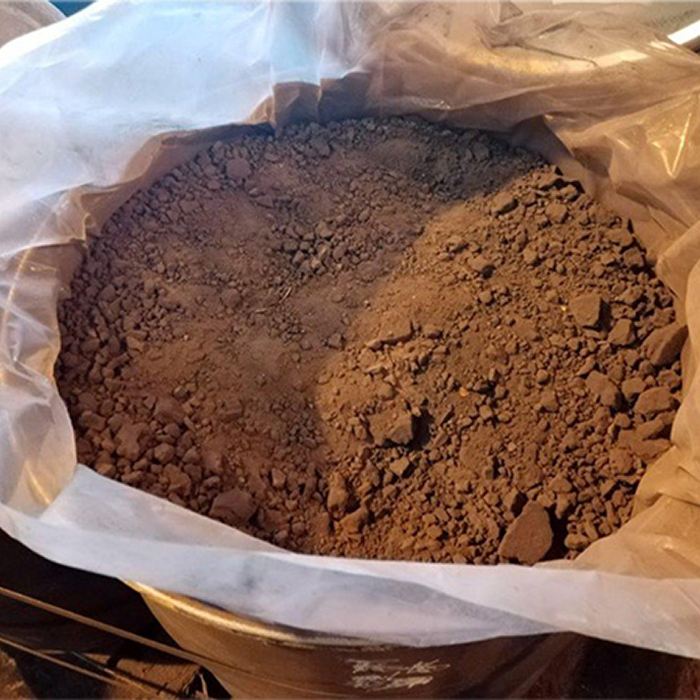
Recycled raw materials

Environmental technology

Other products

Activity chain

Activity Chain
The Copper Smelting Process

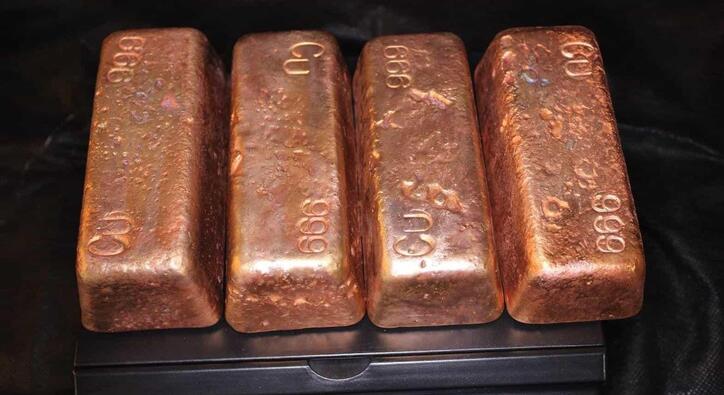
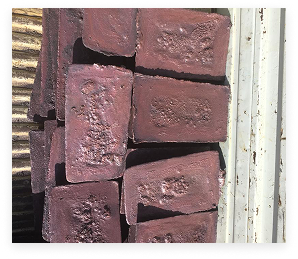
Copper ingots are a refined form of the metal copper, produced through a process called smelting. Smelting involves heating copper ore or scrap copper to high temperatures in a furnace, causing the metal to melt and separate from impurities. The molten copper is then poured into molds to form ingots, which are solid blocks of pure copper.
Copper can be produced through two main methods: pyrometallurgy or hydrometallurgy. Pyrometallurgy is a method of converting low-grade copper ore into high-purity metallic copper. This method has three stages:
• Copper processing via flotation
• Converting copper concentrate into metallic copper (copper matte)
• Purification

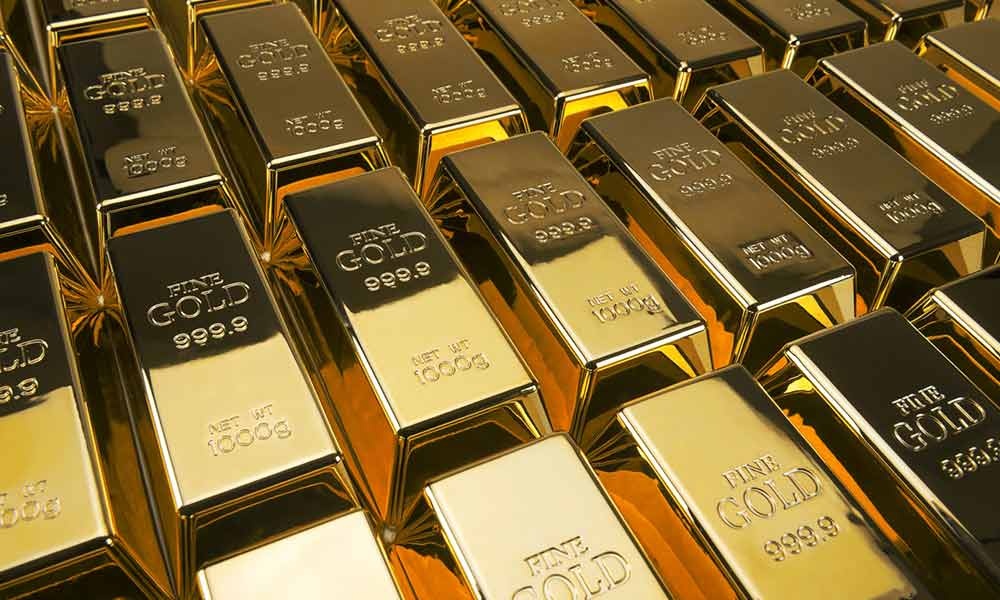
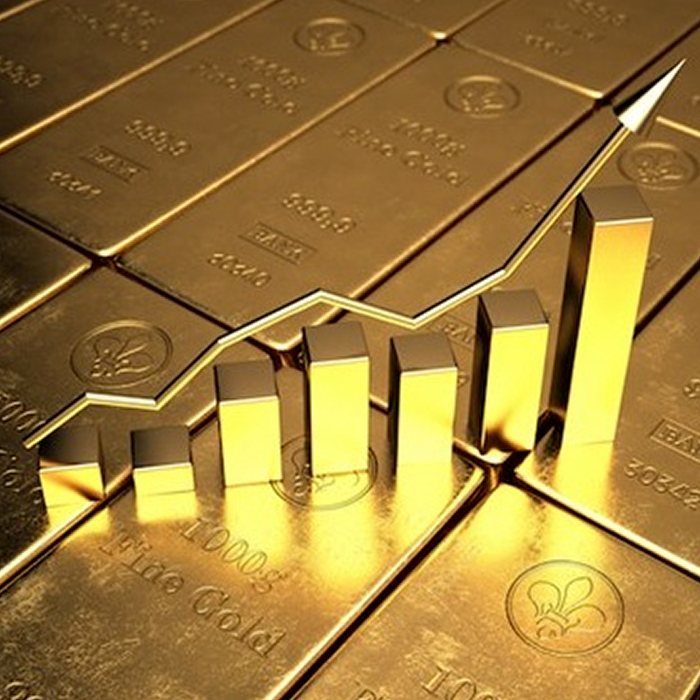
Gold Bullion Production Process

Stage 1: Gold-bearing soil is thoroughly milled and mixed with various fluxes. This mixture is then poured into a rotary furnace. Lead is then added. After complete melting and the absorption of gold into the lead, the lead is tapped off.
Stage 2: The lead bullion is placed in cupellation furnaces and heated until completely molten. After the molten lead is tapped off, gold-bearing buttons accumulate at the bottom of the furnace. These buttons contain precious metals.
Stage 3: The silver buttons containing gold undergo an acid leaching process. After dissolution in acids and other necessary materials, other metals precipitate. The resulting precipitate is dried, placed in a crucible, and remelted with a flux. Finally, the molten gold is poured into special molds to solidify into bullion.

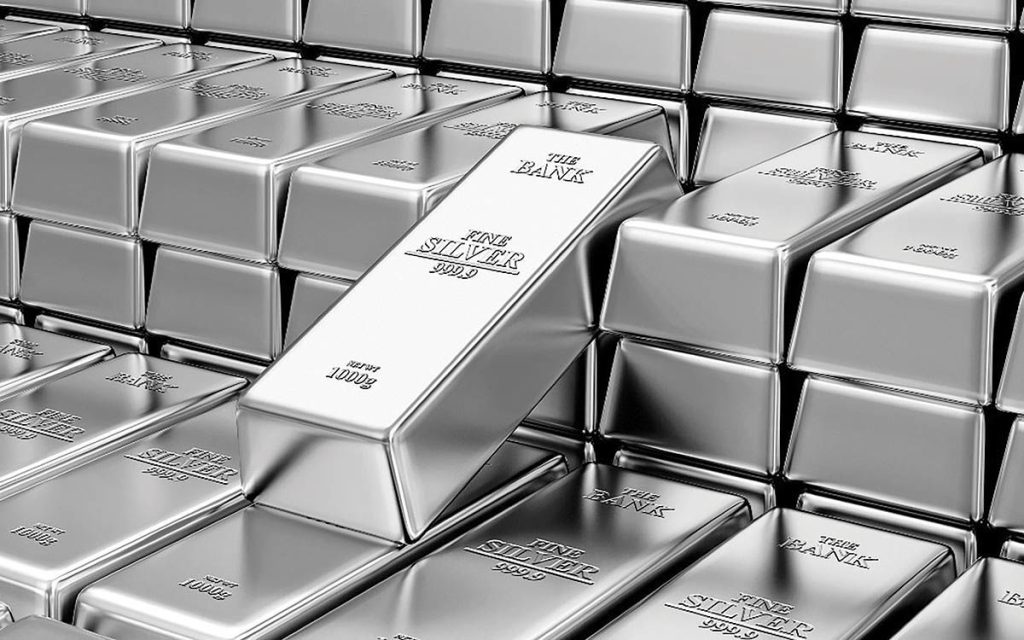
Silver Bullion Production Process

Stage 1: Silver-bearing soil is thoroughly milled and mixed with various fluxes. This mixture is then poured into a rotary furnace. Lead is then added. After complete melting and the absorption of silver into the lead, the lead is tapped off.
Stage 2: The lead bullion is placed in cupellation furnaces and heated until completely molten. After the molten lead is tapped off, silver-containing buttons accumulate at the bottom of the furnace. These buttons contain precious metals.
Stage 3: The silver buttons undergo an acid leaching process. After dissolution in acids and other necessary materials, other metals precipitate. The resulting precipitate is dried, placed in a crucible, and remelted with a flux. Finally, the molten silver is poured into special molds to solidify into bullion.

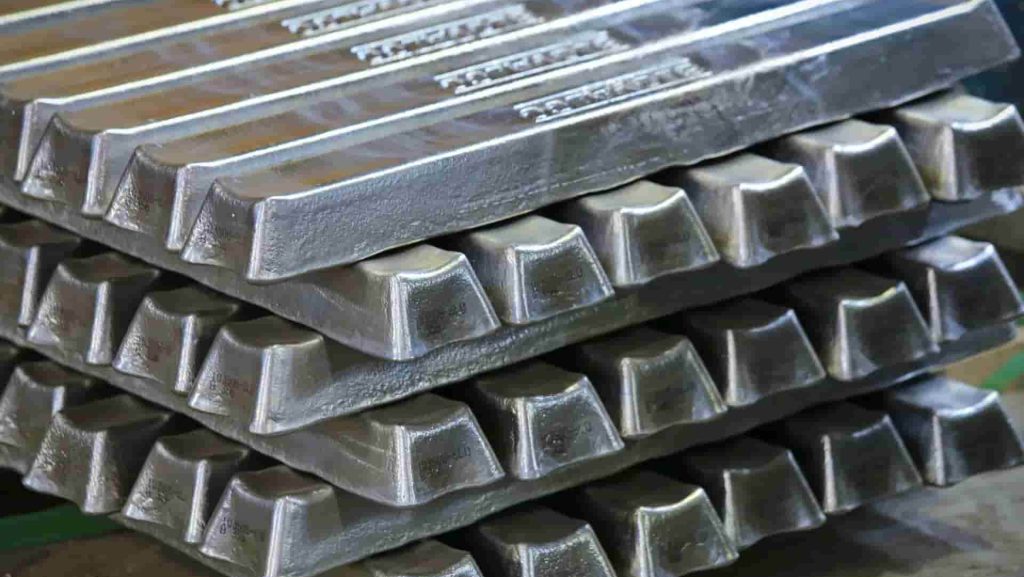
Zinc Bullion Production Process

Zinc bullion production can be achieved through two methods: pyrometallurgy and hydrometallurgy. In pyrometallurgy, the final smelting stage involves the reduction of zinc and lead using carbon. Due to high energy costs, this method is less common today. Hydrometallurgy is the more prevalent method. Because it dissolves the ore and separates waste materials, it’s also referred to as a “wet” method. Zinc bullion production involves several stages leading to final processing and casting.

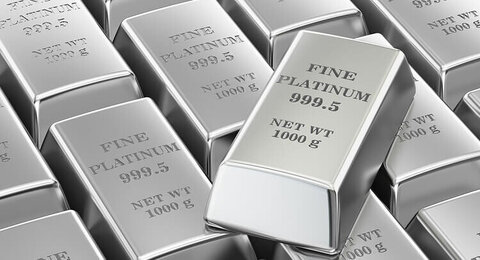
Platinum Ingot Production Process:

Stage 1: Platinum-bearing ore is thoroughly ground and mixed with various fluxes, then poured into a rotary furnace. Lead is then added. After complete melting and absorption of platinum into the lead, the lead is drained.
Stage 2: The lead ingots are placed in cupolas and melted after heating. After draining the molten lead, platinum-bearing buttons accumulate at the bottom of the furnace. These buttons contain precious metals.
Stage 3: The silver buttons containing platinum undergo an acid leaching process. After dissolution in acids and necessary reagents, other metals precipitate. The resulting precipitate is dried, placed in a crucible, remelted with a flux, and finally, the molten platinum is poured into molds to solidify into ingots after cooling.

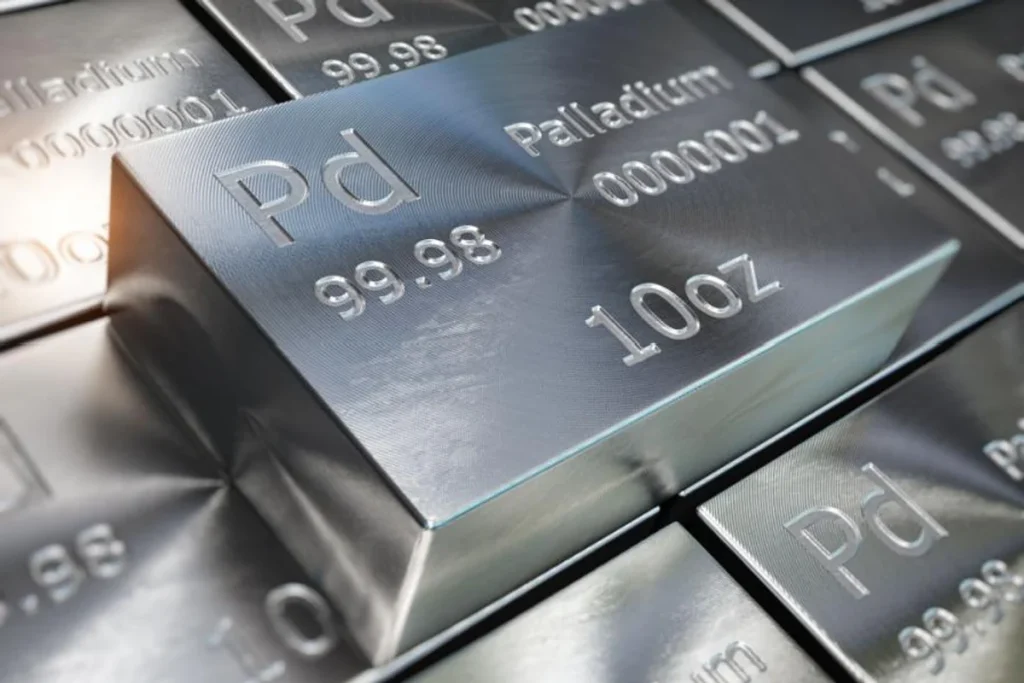
Palladium Ingot Production Process:

Stage 1: Palladium-bearing ore is thoroughly ground and mixed with various fluxes, then poured into a rotary furnace. Lead is then added. After complete melting and absorption of palladium into the lead, the lead is drained.
Stage 2: The lead ingots are placed in cupolas and melted after heating. After draining the molten lead, palladium-bearing buttons accumulate at the bottom of the furnace. These buttons contain precious metals.
Stage 3: The buttons containing palladium undergo an acid leaching process. After dissolution in acids and necessary reagents, other metals precipitate. The resulting precipitate is dried, placed in a crucible, remelted with a flux, and finally, the molten palladium is poured into molds to solidify into ingots after cooling.

Ferromolybdenum Production Process:

Stage 1: Molybdenite (molybdenum sulfide) is fed into a continuous (Wälz) furnace. After oxidation, it is converted into molybdenum oxide. The resulting oxide dust is collected in bag filters.
Stage 2: The molybdenum oxide is mixed with iron scrap, iron oxide, aluminum, and other materials. Then, it’s smelted using alloying methods such as aluminothermy or self-propagating high-temperature synthesis (SHS) in special furnaces. After complete melting, the ferromolybdenum is tapped and separated from the slag.

Our products

Our Products

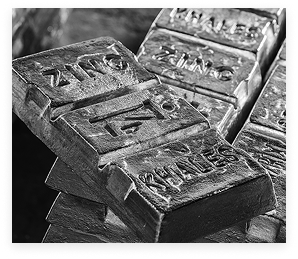
zinc ingot

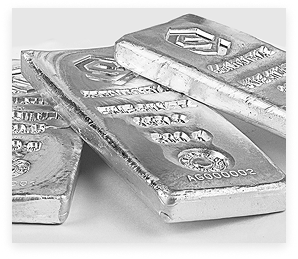
Melted silver ingot

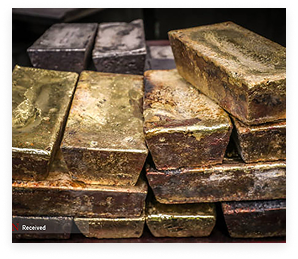
Melted gold bars

Molten copper ingot

contact us

Call Us

021-22000156

info@jzalborz.com

jzalborz@

jzalborz@

About us

About Us

The production and sale of non-ferrous metal ingots has been the core of our activity since our establishment. Base metals such as zinc, lead and copper are used in various industries including automotive, civil engineering, construction, machinery and electronic and electrical industries. In these industries, special properties of metals such as corrosion resistance, electrical conductivity and workability are taken into account.

Scope of services

Services

Cooperation and support for people with plans and ideas, technical and knowledge-based groups, scientific and academic centers


cooperate-2 1
cooperation
Technical advice
cooperate-2 3
Investment
cooperate-2 4
execution

News and Announcements

Last News
1680700357-0
The importance of precious metals
1687104463-0
Recovery of precious metals from anodic sludges
1687104640-0
Why is a metal classified as precious metals?
quartz-crystal
Difference between silica and silicon